September 14, 2026
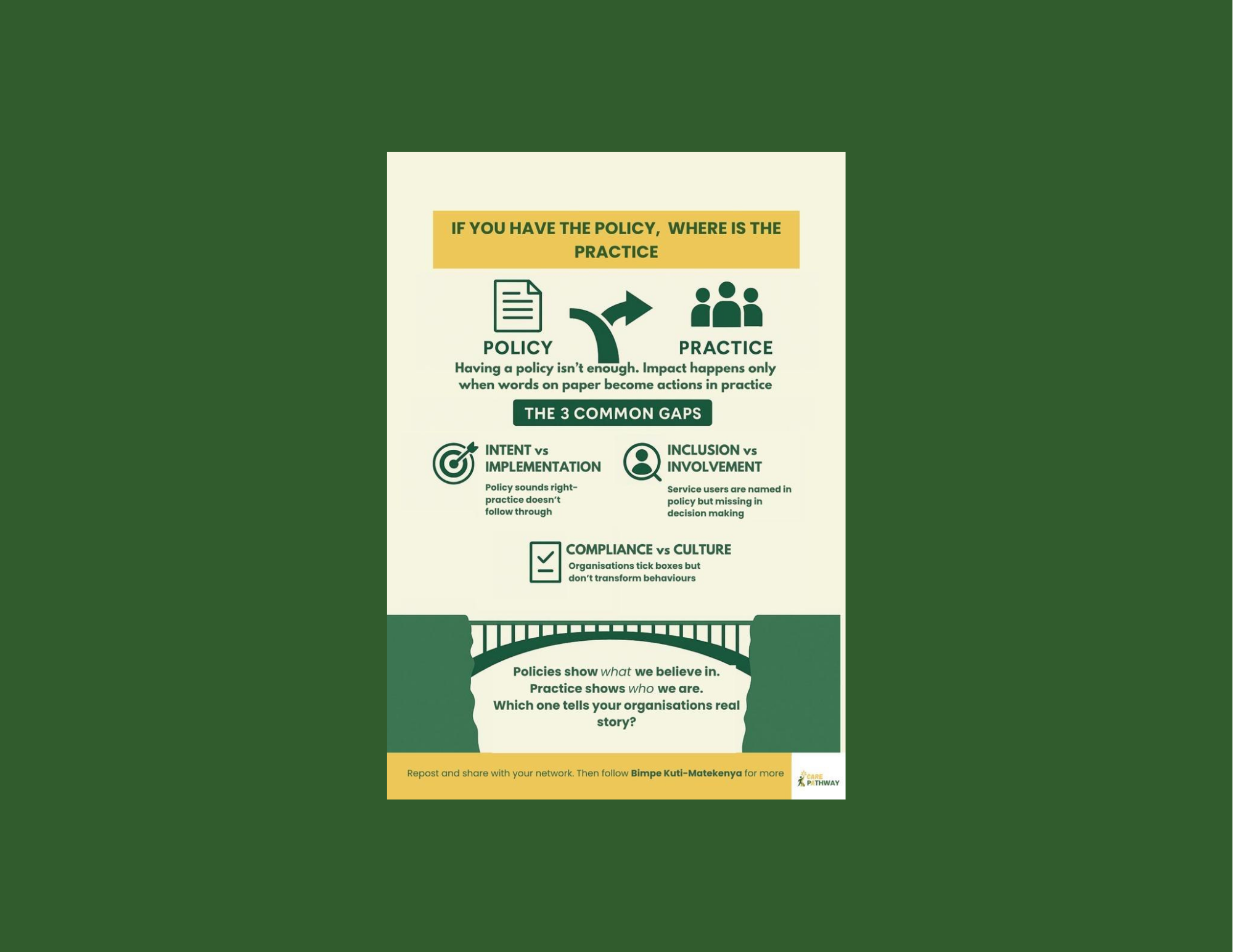
Click here to download resource/infographic
We ask patients whether they were satisfied with their care. We rarely ask how hard we made it for them to receive it.
That distinction matters more than it looks. A patient can praise their Doctor and still have had a terrible experience of healthcare. They can receive clinically excellent treatment after five phone calls. They can thank the Nurse who treated them after spending three weeks working out who was actually responsible for their referral. They can achieve a good outcome while repeatedly telling their story, chasing appointments, navigating disconnected services, and coordinating parts of their own care that the system should have coordinated for them.
Then we send them a survey that asks one question: were you satisfied?
Take a patient I'll call Margaret. A composite of people I've seen come through services like this. She's referred for a scan. The referral sits in a queue for three weeks because two departments use systems that don't talk to each other. She calls to check progress and is passed between four people, retelling her history each time. She finally gets the scan, receives excellent care from a kind Radiographer, and later completes the satisfaction survey with top marks. Nothing on that survey captures the three weeks, the four phone calls, or the fact that she nearly gave up and didn't go at all.
We are measuring the destination. We are not measuring what it took to get there.
Patient experience has always been anchored to quality, such as dignity, communication, compassion, shared decision-making, safety. All correct. All necessary.
But there is a dimension we barely measure at all. Effort. How much work does a person have to do to receive care that should, by design, have been made easy for them to receive?
I call this the effort gap. The distance between the care a system is capable of delivering and the amount of unpaid work a patient has to contribute to actually receive it. Margaret's clinical outcome was good. Her effort gap was enormous. Our current measurement tools would never tell you that.
Retail and customer service solved a version of this problem years ago. Customer Effort Score exists precisely because companies realised that satisfaction and ease are different variables. A customer can be delighted by an outcome and still churn because the process to get there was exhausting. Healthcare has been slower to import that insight, partly because we have treated effort as the patient's problem to manage rather than the system's problem to design out.
Look at what we actually ask of people:
No single step looks catastrophic from inside the organisation that owns it. Together, they reveal something we don't usually say out loud:
the burden of navigating healthcare has quietly been transferred to the person who needs it and least able to carry it.
We design around what the organisation needs to deliver processes, pathways, teams, KPIs. Patients don't experience any of that. They experience a journey, and the journey crosses every boundary we have built.
A patient does not care which department owns the referral. They care that someone does. They don't care that two services run different systems. They care that they have explained the same thing three times to three strangers. So the improvement question should not only be "what do we need to fix?" It should be "what is the journey people are actually living through, and where does it become unnecessarily hard?"
That's a different conversation, and it tends to surface different problems than the ones on the improvement board.
This is the part that turns a design problem into an equity problem.
Someone with time, confidence, digital fluency, English as a first language, and the professional knowledge to advocate for themselves can eventually out-navigate a broken pathway. Someone without those advantages often can't, not because their clinical need is smaller, but because the cost of accessing care is higher for them and the system doesn't adjust for it.
A pathway that looks merely inefficient on paper can be, in practice, a driver of health inequality. Effort isn't a footnote to the patient experience conversation. For some patients, it's the entire barrier.
We should keep asking whether people felt listened to and respected. But alongside it, we need a second, harder question:
How much work did this patient have to do to make our system work for them?
Sometimes the biggest improvement to patient experience is NOT a new intervention. It is removing a step nobody needed. Naming who owns a handoff. Connecting two services that were never meant to be separate in the first place. Designing around people's lives instead of expecting their lives to bend around our systems.
Patient experience should not only tell us whether people were happy with where they ended up. It should tell us the size of the effort gap they had to close themselves and who paid the highest price for closing it.
That's the metric we are missing.
What the space - The Lived Experience Excellence Framework (LEEF) is coming. This reflection has helped me understand even much more, where i want to channel my effort in making patient experience better. Coming Soon!
.png)